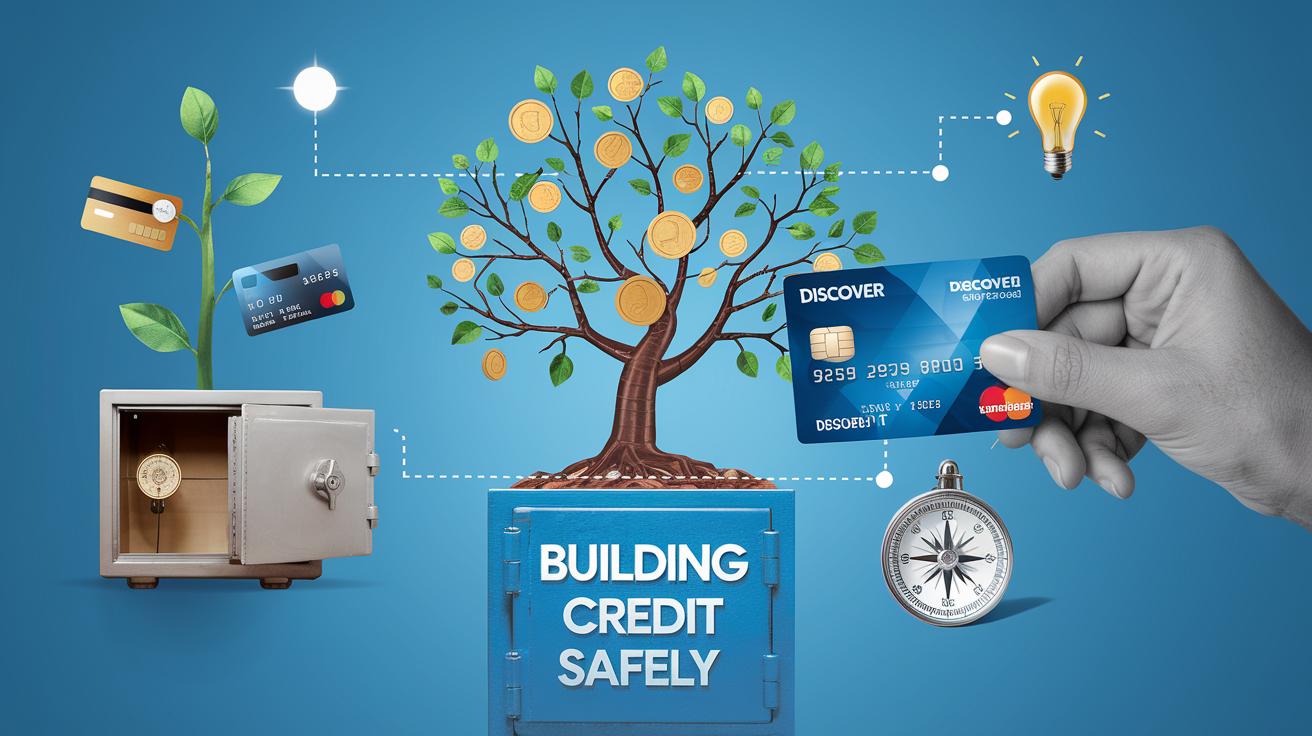
When Deposits and Credit Limits Don’t Mirror Each Other: The Subtle Mechanics at Play
The credit-one-credit-card-how-to-qualify-fees-to-expect-and-credit-score-requirements/” title=”… one … …: How to Qualify, Fees to Expect, and … Score Requirements”>Discover it® Secured Credit Card is often introduced as the “secured card that builds credit,” but the workings beneath this claim bear closer inspection. Unlike unsecured cards, your credit limit here is tied directly to a refundable security deposit, serving as your financial collateral. How exactly does this collateral-to-limit relationship shape your credit signaling and risk profile?
Step one: you deposit, say, $500. Discover sets your credit line exactly to that amount. You can’t charge more than your deposit—simple enough. Though, what really happens with payments, statement balances, and the credit reporting flow can surprise.
Every billing cycle, your balance and payment behavior get reported to the credit bureaus. With a secured card like this,the positive is predictable: consistent on-time payments and low utilization relative to your deposit demonstrate creditworthiness. But here’s the nuance—utilization isn’t just about your balance versus credit limit. Because your limit equals your deposit, spending close to it repeatedly can still harm your score more than the same utilization on an unsecured card with a larger limit.
Discover’s backend systems monitor your deposit as a risk cushion. If you don’t repay your balance, the deposit serves as a buffer for issuer loss, reducing lender risk and enabling easier approvals for thin-file or rebuilding borrowers. The deposit also adds a built-in safeguard preventing overextension, which ironically can breed healthier borrowing habits, especially early on.
What about cashback? Discover combines secured card mechanics with a rewards twist that’s rare in this segment: 1% cashback on all purchases plus 5% on rotating categories. This isn’t a marketing gimmick—it affects your behavior and issuer economics. Cashback incentivizes spending, which can accelerate credit building if managed responsibly. But since all rewards effectively eat into the net merchant fees Discover collects (interchange revenue), it also nudges their risk strategy towards borrowers who exhibit low default risk and steady repayment. Cashback here is part carrot, part a tool to increase card use frequency—and therefore data on borrower reliability.
Why Many New Credit Users Misread Secured Cards as ”prepaid Debit Cards”
The behavioral pitfalls around secured credit cards are more nuanced than most assume. The most common misconception? Treating the deposit as a “locked spending balance” rather than collateral on a revolving credit product.
Unlike prepaid debit cards, secured cards like Discover it® do not prevent you from paying your balance in full or carry a line of credit in exchange for that deposit. Yet many users limit themselves to spending only what matches their deposit, never realizing that even with a $500 deposit, they could make purchases up to that $500 credit limit within the billing cycle—and pay the balance down before interest accrues.
This mental model mistake holds many borrowers back from optimizing their credit score gains. Credit utilization is reported based on statement balances, not deposit amount. If you charge and repay the full limit monthly,your utilization reported can remain near zero,which signals to credit bureaus that you’re not overextending yourself. However,erring on the side of cautious “only spend what I deposited” restricts this benefit.
Moreover, some users misinterpret the cashback aspect. They expect large windfalls from 5% categories, but cashback on a low credit line translates to modest returns. The true value lies in committed, responsible card use—that steady behavior boosts credit history length and payment consistency, which matter far more in credit scoring models.
Another behavior to watch is the temptation to “graduate” from the secured card prematurely or chase unsecured cards with higher limits.Many misunderstand how discover’s auto-review process works, and prematurely closing the secured card can truncate established credit history and lower your average account age, which harms your overall score.
Is It Worth Giving Up Simpler Access to Unsecured Cards for Stability and Cashback?
Here’s where decision trade-offs come in. For somebody with no credit or seriously damaged credit, secured cards are often the only realistic onramp. The Discover it® Secured card offers a solid combination of credit-building mechanics and rewards rarely seen in this category. But what do you give up?
- Credit Limit Flexibility: Unlike unsecured cards, your credit limit is locked to your deposit. This limits purchasing power and borrowing flexibility.
- Potential Opportunity Cost: While you’re building credit on secured terms, unsecured cards may offer easier access to higher limits and instant rewards for users with better profiles.
- Cost of Funds: Your deposit funds are tied up and interest-free in the bank account as security—essentially an opportunity cost compared to using that money for investments or other uses.
- Issuer Relationship: Discover’s reward strategy aligns better with stable, long-term users. Other secured cards may offer no cashback, making this one better for cardholders ready to develop habits around both repayment and rewards optimization.
Trading off immediate flexibility for the certainty of steady credit reporting, plus rewards that reinforce responsible usage, means secured cards like Discover often play a middle role, not a final destination.
For some,particularly those with cautious spending habits,the disciplined structure is positive. For others, it can feel restrictive or cost-inefficient compared to unsecured options or simply using credit-builder loans.
How Using This Card Shapes Your Credit Trajectory Over Years
Think about credit building as a marathon, not a sprint. Secured cards function as foundational blocks. They let you move from “credit invisible” to an active user on the Bureau’s radar,building both payment history and utilization patterns.
The Discover it® Secured card’s reporting consistency helps establish a payment track record crucial for FICO and VantageScore models. The cashback element can encourage consistent spending—meaning more data points that you’re a low-risk borrower.
Here’s the catch: if you pay off the balance monthly and avoid high utilization, you improve scores steadily. But if you carry balances or miss payments, the consequences reverberate. Missed payments on a secured card can damage credit just like unsecured cards, but with little forgiveness as your deposit acts as the issuer’s safety net—it might even hasten collections if you default.
Over time, prosperous borrowers can transition off secured cards, ideally upgrading to unsecured products with better terms and higher limits. With Discover’s policy, some users are automatically reviewed for graduation to an unsecured Discover card after roughly 8 months of responsible use. This transition can improve credit health by increasing available credit and reducing utilization.
On the other hand, those who fail to graduate or close the secured account risk truncating credit age and losing the positive payment history contribution, resulting in setback rather than progress.
Issuer Incentives Behind Offering Cashback on Secured Credit Lines
From Discover’s vantage point, secured cards represent managed risk. your deposit reduces their loss exposure compared to unsecured borrowers, but the limits are low, and underwriting costs are minimal. Why pay cashback rewards here at all?
frist, the 1% base cashback plus rotating 5% categories improve the card’s stickiness. Higher card use generates interchange fees, which are their revenue backbone. Cashback isn’t pure giveaway—it’s a share of merchant fees shared back to drive engagement.
Second, rewards provide rich data on spending patterns. Discover learns not only if you pay, but how frequently enough and on what categories you spend. This granular data aids risk segmentation, allowing better-informed decisions about who can “graduate” to unsecured credit.
cashback brings a psychological element that nudges users to favor Discover over other secured cards without rewards. Seen through this lens, cashback signals a long-term issuer strategy to cultivate loyal customers early, harvesting financial data and fostering brand preference.
That said, from the cardholder perspective, rewards earnings on a secured card are modest relative to traditional unsecured cashback cards, given the small credit limits. The real value arises when used as part of a credit-building system, not as a primary cash return tool.
how to Decide If This Card’s Structure Matches Your Credit-building Goals
Let’s map out a decision filter tailored to your circumstances.
- Assess Your Credit Status: Are you starting from scratch or rebuilding? If yes, secured cards are frequently enough your first viable option.
- Do You Have Liquid Funds for Deposit? The deposit ties up capital. Can you comfortably set aside $200–$500 or more without sacrificing essential liquidity?
- Are You Willing to Commit to On-Time Payments? This card rewards consistent payment diligence. Missed payments penalize you heavily.
- Is earning Cashback Motivation Enough? If yes, Discover’s rewards can enhance behavior, but don’t expect windfalls due to credit limit caps.
- Plan for Graduation and Evolution: are you ready to transition off a secured card within a year or so? Discover reviews users for unsecured upgrade, which benefits score and credit mix.
- Could Alternative Credit-Building Tools Serve You Better? Depending on your credit profile,credit-builder loans or becoming an authorized user on a seasoned account might be more effective.
if you align with the above and crave a structured path with some reward benefits, the Discover it® Secured card is a smart tool. If you seek flexible credit access without upfront deposits, alternatives may better fit.




Have any thoughts?
Share your reaction or leave a quick response — we’d love to hear what you think!
-
 0
0
-
 0
0
-
 0
0
-
 0
0
-
 0
0
-
 0
0