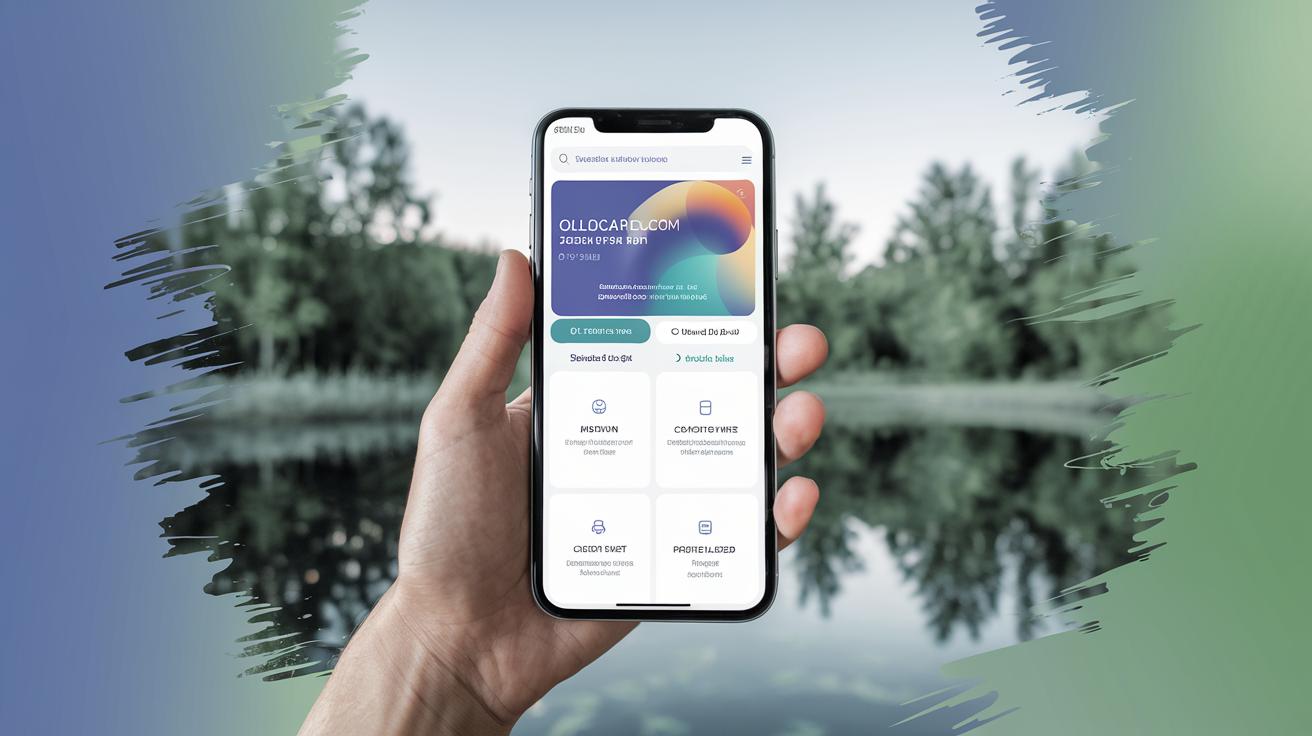
When accessing Your Ollocard Account Fails: What’s really Happening Behind the Scenes?
Login issues often feel frustratingly opaque: you enter credentials, hit “submit,” and then—nothing.Questions surface quickly: is it a system fault? have I been locked out? Is fraud suspected?
The mechanic’s view cuts through the frustration by unpacking the precise flows at play during an olloCard login attempt. It typically involves:
- Authentication check: Your input (username/email + password) is hashed and matched against stored encrypted data.
- Session Initiation: When validated, the system generates a session token tied to your device/browser with preset timeouts.
- Multi-Factor Authentication (if enabled): Additional verification can halt access if skipped or delayed—email or text confirmations matter.
- System Flags: Repeated failed attempts trigger lockouts or captchas as fraud prevention, which can feel like an arbitrary block.
- Cache and Cookie Dependencies: Browser-side hurdles often cause session failures despite correct credentials.
Many users overlook these mechanics, attributing only user error to failed logins, when in truth, a confluence of security protocols and technical dependencies are in motion.
This matters for those managing credit cards online because delays in accessing your account can postpone timely payments, impacting your credit health and exposing you to penalties or higher interest.
Why “Making Payments” Isn’t Just About Clicking “Pay Now”
People treat credit card payments superficially, focusing on “when” rather than “how” their payment method and timing affect financial outcomes. Let’s peer through the behavioral lens—exploring why common payment practices miss the mark:
- Partial vs Full Payments: Paying the minimum amount seems safe but invites steep interest accumulation, especially when the card’s APR is above average—as most olloCard offerings tend to be.
- Payment Posting Delays: Sending a payment on time doesn’t guarantee instant posting. daylight delays or weekends can add grace period risks without the user realizing.
- Overpaying Risks: Excessive payments can potentially leave funds dormant or complicate rewards calculations, reducing liquidity without a clear upside.
- avoiding Payment Allocation: Credit card companies sometimes apply payments to lower interest balances frist, leaving balances with higher rates to grow—unless specified appropriately, a payment might not reduce your most expensive debt.
Many assume if they “paid something,” their financial risk is minimized. Yet, overlooking nuances around timing, payment methods (ACH vs card), and allocation rules has tangible costs. OlioCard’s interface, like many, frequently enough doesn’t surface these subtleties clearly.
The Trade-Offs of Your Credit Line: Adaptability Versus Hidden Constraints
From a comparative analysis standpoint, olloCard’s advertised credit limits can look generous, but does a bigger limit always translate to better financial outcomes? The answer is rarely straightforward.
here are critical trade-offs you must weigh:
| Aspect | High Credit Limit | Moderate or Low Credit Limit |
|---|---|---|
| Spending Power | Enables large or emergency purchases without credit denial | Limited purchasing capacity may protect from overspending |
| Credit Utilization | Lower utilization ratio (good for credit score), if spending stays constant | Higher utilization risk, which can damage credit score rapidly |
| Borrower Behavior Risk | Potential to accumulate more revolving debt; risk if payments are inconsistent | Less temptation to max out debt, but risk of declined transactions in a crunch |
| Issuer Risk Strategy | Issuer exposes more credit risk but possibly gains more in interest and fees | Issuer limits exposure, potentially reducing interest income but improving risk profile |
Ollocard issuers calibrate limits not just on income but also on risk models that incorporate borrower history and behavior. Users need to judge what balance between flexibility and discipline suits their needs best.An inflated limit backed by poor cash flow discipline leads almost inevitably to costly cycles of revolving debt.
Long-Term Consequences of Account Management: Beyond the Statement Cycle
Consider the time dimension: What happens when you mismanage olloCard payments and credit usage repeatedly over months? And how does your issuer adjust your terms accordingly?
Many underestimate the compounding effects of interest and fee structures, leading to month-on-month balance growth that accelerates debt. Here’s the long game in a nutshell:
- Credit Score Impact: Late payments and high utilization feed into credit bureau data, progressively degrading score and reducing future borrowing options or increasing rates.
- Interest Accrual: Even a single cycle of unpaid full balance begins a compounding interest spiral.Over a year, this can amount to hundreds or thousands in additional costs.
- Issuer Response: The issuer may lower credit limits, increase APRs, or add penalty rates based on deteriorating account status, which further entrenches borrower difficulty.
- Psychological Effects: Chronic debt stress may lead to avoidance behavior,delaying payments and increasing fees—creating a self-reinforcing negative cycle.
Anecdotally, users who treat their olloCard as a revolving credit line without strict budget controls often find themselves needing balance transfer cards or personal loans just to reset finances, often at a higher aggregate cost.
Who Really Gains When You Extend Your credit or Slip on Payments?
Shifting the focus to stakeholder viewpoint reveals a dynamic frequently enough missed: the incentives of the issuer diverge considerably from the cardholder’s financial health.
Issuers like olloCard have nuanced revenue streams:
- Interest on Revolving Balances: The longer users carry a balance,the higher the recurring revenue,especially since credit limits often exceed the users’ immediate needs.
- Fees and Penalties: Late payments,over-limit fees,and returned payment charges represent predictable cash flow boosts for the issuer—even if detrimental to customer retention.
- Interchange fees: Every transaction generates income,encouraging issuers to push higher credit limits and more spending.
- Credit Line Adjustments: The issuer can strategically reduce or increase limits based on risk profiles, balancing risk and reward continuously.
Thus, from the issuer’s standpoint, encouraging minimal payments, spreading balances, or expanding limits paradoxically maximizes lifetime value.For the user, this often conflicts with the goal of minimizing debt and financial stress.
Recognizing this misalignment arms borrowers to actively manage behavior and avoid the traps laid by profit incentives that favor indebtedness over financial freedom.
Facing a Problem? Tailor Your Action with This Scenario Logic
suppose you’re locked out of your olloCard account or unsure how to prioritize your payments in tight financial conditions: what should you do? Employing a scenario planner mindset helps structure decisions clearly.
- Login failure: Verify if it’s a credential issue or system block. Using “forgot password” flows often restores access within minutes; failing that, reach out to customer service promptly—delays risk missing payment deadlines.
- Payment prioritization with limited cash:
- Pay at least the minimum to avoid penalties and reduce credit score damage.
- If possible, allocate extra to the balance with the highest interest rate first—check if olloCard allows you to specify payment application.
- Consider balance transfer offers or personal loans with lower rates but watch for fees and terms.
- Approaching credit limit use: If you expect to breach your limit soon, contact olloCard to request a limit increase (if your credit allows), or plan purchases strategically to defer non-essential spending.
- Sustained trouble paying: Seek financial counseling and explore issuer hardship programs early—many issuers offer adjusted payment plans that can protect credit standing.
This decision tree concentrates actions on immediacy and outcome impact, which many miss by reacting impulsively to account issues.
The Quiet Dangers Lurking in Account Settings and Payment Choices
Using the risk archaeologist approach uncovers less obvious pitfalls with olloCard account management:
- Autopay Blind Spots: Enabling autopay without awareness of the paid amount can trigger overdrafts or unexpected charges, especially if minimum payments change.
- reward Misalignments: using the card only for immediate rebates might blind users to higher interest costs from carrying a balance, negating rewards gains.
- Mobile App Vulnerabilities: Relying on mobile apps for critical payments risks failures due to app downtime or connectivity, leading to late fees despite intentions.
- Credit Limit Decreases Without Notice: Borrowers facing sudden limit cuts (due perhaps to credit score drops) may encounter declined transactions or increased utilization risk, catching them off guard.
- Payment Posting Priorities: Payments applied late in the billing cycle may be processed after statement generation, generating unintended interest even if timely from the payment day count.
Understanding these risks facilitates preemptive actions—such as confirming payment receipts, reviewing account change notifications, and integrating calendar reminders—that reduce surprise costs.
How to Decide if olloCard Is Right for you: Selective Filters
advancing the decision architect lens, asks us: When facing multiple credit options, what criteria should guide the choice to engage with olloCard?
Focus on frameworks that emphasize:
- Interest and Fee Transparency: Are your APR ranges competitive and clearly stated? Hidden fees undermine net benefits quickly.
- Credit Utilization Buffer: Is the credit limit commensurate with your payment discipline and income, to maintain a healthy utilization ratio?
- Flexibility in Payments: Does the platform allow you to control payment allocations and timing effectively?
- Issuer Support Quality: Can you access support quickly in a crisis, or during technical issues such as login failures?
- Alignment With Your Financial Goals: Is the card structured to help you build credit, manage cash flow, or merely to encourage spending?
By filtering options through these lenses, you convert branding and marketing hype into a deliberate tool—one that either supports or strains your long-term financial goals.




Have any thoughts?
Share your reaction or leave a quick response — we’d love to hear what you think!
-
 0
0
-
 0
0
-
 0
0
-
 0
0
-
 0
0
-
 0
0